RoofingCost guide
What Metal Roofing Materials Cost in 2026
A metal roof is a long-term investment, and the material itself makes up roughly a third of the total project cost. Here are the price ranges for steel, aluminum, copper and zinc, the factors that shift them, and a realistic estimate to work with before you call a contractor.
How much do metal roofing materials cost per square foot?
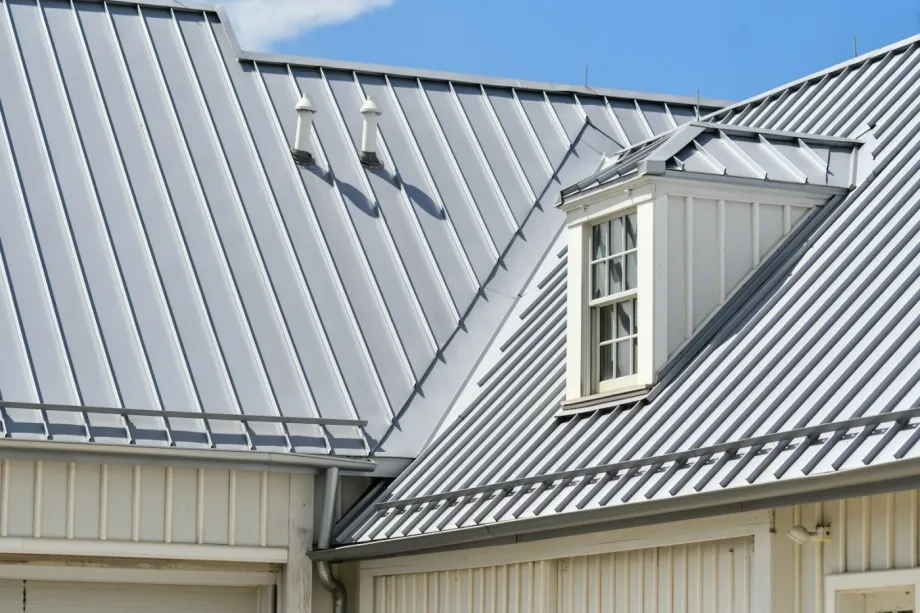
The metal you choose sets the price. Bare panels and shingles, without underlayment, fasteners or trim, run from about $3.50 to $25.00 per square foot in 2026. Galvanized steel sits at the low end, while copper and zinc occupy the premium tier.
Typical ranges for the raw metal sheet or shingle alone, based on common residential profiles:
- Galvanized steel (G-90 or AZ50 coated): $3.50, $6.00 per sq ft
- Galvalume and Kynar 500 coated steel: $5.00, $9.00 per sq ft
- Aluminum (mill finish or pre-painted): $6.50, $11.00 per sq ft
- Zinc (natural or pre-weathered): $12.00, $18.00 per sq ft
- Copper (cold-rolled, 16 or 20 oz): $18.00, $25.00 per sq ft
These figures cover only the metal itself. A complete order adds underlayment, clips, screws, ridge caps and flashing, which can double the total material cost on a complex roof. The numbers also assume standard residential thicknesses; a heavier gauge or a custom profile pushes the price toward the upper end of each range.
What makes the material price go up or down?
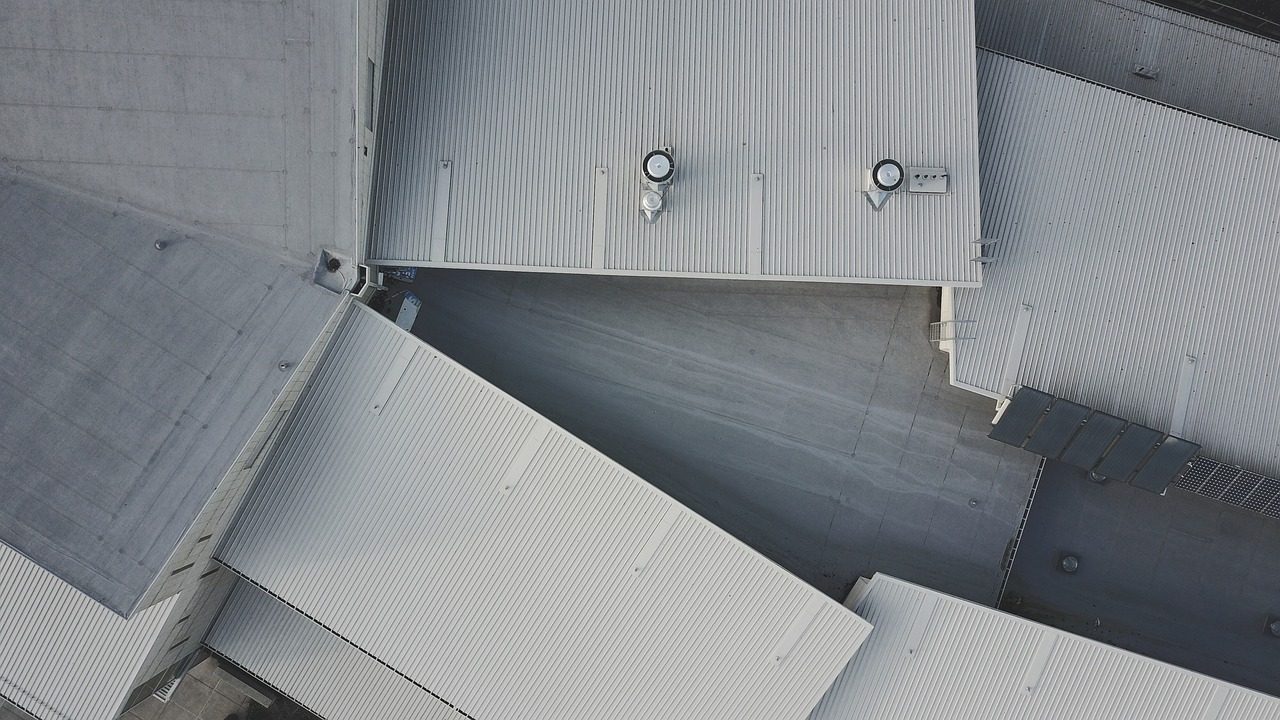
Five factors shift the cost of metal roofing panels, and each one is a choice you make before a single sheet is ordered.
- Metal thickness (gauge). Lower gauge numbers mean thicker steel. A 24-gauge panel costs more than a 26-gauge panel because it contains more material and handles wind and impact better. The difference can add 15-25% to the panel price alone.
- Panel profile. A simple corrugated panel with exposed fasteners takes fewer forming steps than a standing seam panel with concealed clips. The more complex the profile and the locking mechanism, the higher the mill cost per linear foot.
- Finish and paint system. A basic polyester coat keeps the price down but fades faster. A PVDF (Kynar 500) finish with a multi-layer primer resists fading and chalking for decades, and it raises the cost per square foot noticeably because the coating chemistry and warranty are both more expensive.
- Regional availability. In areas with several metal roofing suppliers, competition keeps distributor markups in check. In remote locations, shipping a full truckload of long panels adds freight surcharges that inflate the per-square-foot price beyond the base mill cost.
- Order size. A full roof package ordered at once costs less per square foot than a partial order or add-on pieces. Mills and distributors set price breaks at standard bundle quantities, and small batch orders carry a premium for handling and cutting.
Gauge and finish swing the estimate the most. The other three factors depend on where you build and how you buy.
Standing seam vs corrugated panels: which costs more?
Standing seam panels cost more than corrugated panels, typically 30-50% more for the metal alone. The difference comes from the forming process and the amount of metal each profile requires.
A corrugated panel gets its strength from repeating S-shaped waves rolled into a flat sheet. The forming process stretches the steel slightly but does not add much to the starting width. A standing seam panel uses a taller vertical rib, often 1.5-2 inches high, with a folded seam on top. That rib consumes more coil width per finished foot of coverage, so the same square footage of roof takes more raw steel.
The hidden fastener system adds cost too. Corrugated panels fasten through the face with exposed screws and neoprene washers. Standing seam uses concealed clips and a snap-together or mechanically seamed joint, which requires tighter tolerances in the roll former and a more expensive coating system that can withstand the folding without cracking.
Steel, aluminum, copper or zinc: how to choose

Each metal suits a specific climate and budget. Galvanized steel with a baked-on coating (often called Galvalume or Kynar 500) is the most common choice for residential roofs across most of the US. It holds up for 40 to 60 years in moderate climates and costs less than the other three metals. Near a saltwater coast, however, the same steel panel can start showing edge rust within 15 years unless you move up to a thicker coating or switch metals.
Aluminum is the standard pick for homes within a few miles of the ocean. It does not rust, so the coastal air that eats through steel leaves it alone. The tradeoff is a softer panel that dents more easily under a falling branch or heavy hail. Copper and zinc sit in a different category altogether. They cost three to five times as much as coated steel, but both can last a century or more and develop a natural patina that many homeowners want for older or architect-designed houses. Zinc is more common in Europe and the Northeast; copper appears more often on historic restorations and high-end new builds.
| Metal | Best climate | Typical lifespan | Relative material cost |
|---|---|---|---|
| Coated steel | Inland, dry to moderate | 40-60 years | $ |
| Aluminum | Coastal, salt air | 45-65 years | $$ |
| Copper | Any; historic or high-end | 80-100+ years | $$$$ |
| Zinc | Any; damp, cool regions | 80-100+ years | $$$$ |
Two questions usually settle the choice. Will the house be within salt spray for decades? If yes, skip steel and compare aluminum with the premium metals. Is the roof a long-term piece of the house you plan to keep for 50 years or more? If not, the extra cost of copper or zinc rarely pays back in resale value alone.
Does a thicker gauge always mean a better roof?

Steel roofing gauge measures the thickness of the metal sheet. The gauge number runs opposite to the thickness, so 24-gauge steel is thicker than 26-gauge. In inches, 24-gauge runs about 0.024 inches, while 26-gauge is closer to 0.019 inches. A few thousandths of an inch sounds small, but it changes how the panel handles wind, hail and foot traffic.
Thicker material resists denting better. A 24-gauge panel takes a heavier impact before it shows a mark, which matters if your area gets frequent hailstorms or you plan to walk on the roof during maintenance. It also spans slightly farther between purlins without sagging, so the framing underneath can be spaced wider. That saves a little on the substructure, though the panels themselves cost more.
Thinner 26-gauge steel is not weak. It meets building code requirements for most residential roofs in Ukraine and the US, and holds up well under normal snow and wind loads. For a simple gable roof with a steep pitch and no foot traffic, 26-gauge gives you the same corrosion protection and factory finish as 24-gauge at a lower material price. The savings come from the raw steel, not from cut corners on the coating.
Two situations push the decision toward 24-gauge: low-slope roofs where water sits longer and heavy snow country where the extra stiffness matters. Otherwise, the gauge number alone does not make one roof better than another. Panel profile, fastener type and the quality of the paint system influence the final performance at least as much as the steel thickness.
How to estimate your total material cost
Start by measuring each roof plane in feet and calculating its area. Multiply length by width for a simple gable roof. For a hip roof with multiple slopes, measure every section separately and add the totals. Never estimate from the house footprint; the roof pitch adds real surface area. Roofers call this the actual roof area, not the floor area.
Add a waste factor to your measured area before multiplying by the material price. Simple gable roofs with few penetrations need 10 percent extra. Hip roofs with valleys, dormers or skylights typically need 15 to 20 percent. This covers offcuts at the eaves, ridge and around openings. Ordering without a waste factor leaves you short on the last row.
Here is a worked example for a 2,000 sq ft gable roof with a 6/12 pitch. The measured roof area comes to 2,240 sq ft after accounting for the slope. With a 10 percent waste factor, the order quantity is 2,464 sq ft. If the chosen steel standing seam panel costs 5.50 per sq ft, the panel cost alone is 13,552. Then add the trim package: ridge cap, eave drip edge, gable rake trim and valley metal, which for this roof might run 1,200 to 1,800. Fasteners, closure strips and butyl tape sealant add another 400 to 600. The total material estimate falls between 15,150 and 15,950 before delivery.
Frequently asked questions
Are metal roof materials more expensive than asphalt shingles?
Yes, the upfront material cost is higher. A square of asphalt shingles costs less than a square of painted steel panels. However, a metal roof lasts two to three times longer and requires less maintenance, so the cost per year of service is often lower.
Can I buy the materials myself and hire a crew to install them?
Some suppliers sell directly to homeowners, but most metal roofing manufacturers work through certified contractors. A contractor can often get better pricing on the materials and will know exactly which trim, fasteners and underlayment to order. Buying everything yourself risks missing components and delays.
Does a metal roof require special fasteners?
Yes. Metal roofs use screws with neoprene washers or stainless steel caps that seal the hole and allow the panels to move with temperature changes. Standard nails or cheap screws will leak and void the warranty. Fasteners add roughly 5 to 10 percent to the material bill.
How much waste should I add when ordering materials?
For a simple gable roof with few penetrations, add 5 to 7 percent for cuts and offcuts. For a roof with hips, valleys, dormers and skylights, add 10 to 15 percent. Ordering too little stops the job mid-way; ordering too much means you pay for material you cannot return if it was cut or custom-ordered.