Remodeling On A BudgetCost guide
Cutting Remodeling Costs Without Cutting Corners
The cheapest remodel is the one that is fully decided before demolition and leaves the pipes where they are. Where homeowners can save, which jobs they can take on themselves and the few places where saving money costs more later.
Lock the scope before work begins
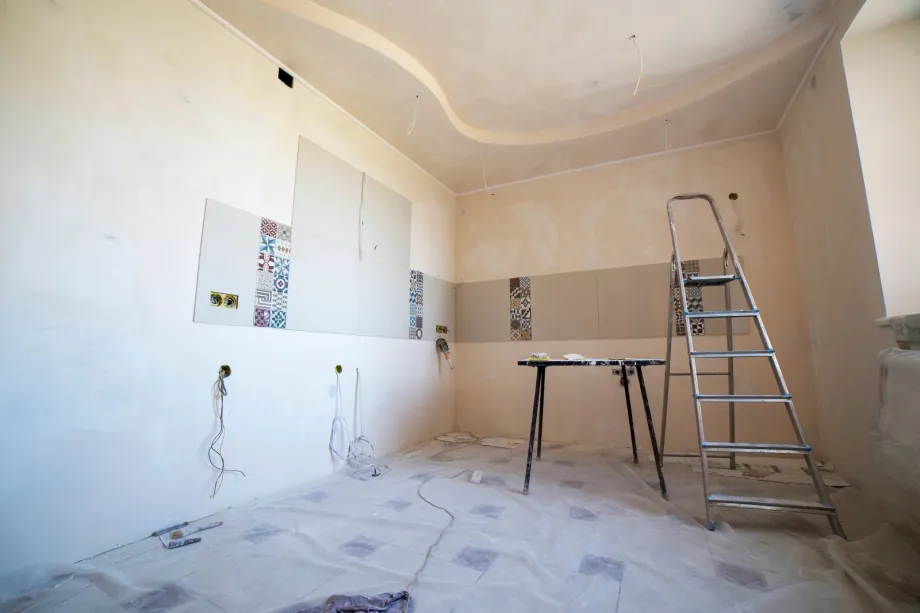
Changing your mind halfway through is the quickest way to overrun a budget, because every change after the contract is signed comes back as a priced change order. A change order alters the original scope, adds labor hours, and delays the overall timeline. Subcontractors may need to return to undo previous work or reorder different parts.
To keep costs predictable, settle your choices before demolition. Pick out every light fixture, tile line, faucet, and cabinet knob ahead of time. Measure spaces carefully so materials fit correctly on arrival. With a fixed plan the contractor can order everything at once and line the trades up one after another, with less idle time on the bill.
Work around existing layouts
Moving major utility lines drives up labor costs fast. Keeping the physical layout of a kitchen or bathroom drastically reduces plumbing, electrical, and structural expenses.
Keep plumbing in place
Relocating a sink, toilet or shower means opening floors and walls to reroute drains and vents, and on a slab foundation it can mean cutting into the concrete.
Leaving drains and water supply lines in their existing locations saves money. You can update fixtures, install new valve cartridges, or replace vanity tops without altering the concealed piping behind the drywall.
Refinish existing features instead of buying new
Sound materials that only look tired can often be refinished for less than the cost of tearing them out and buying new.
Kitchen cabinets
If your cabinet boxes are structurally sound and made of real wood or sturdy plywood, do not replace them. Removing whole cabinet runs damages drywall and trim work. Instead, paint or stain the existing boxes. You can replace just the doors and drawer fronts, or simply swap out the old handles and hinges for modern hardware.
Bathtubs and tile
Cast iron and steel bathtubs are heavy and difficult to remove. Taking one out often destroys surrounding wall tile and wallboard. Professional refinishing sprays a new coating over chips, stains and worn enamel, usually in a day plus curing time, with no plumbing work at all. It is a coating, so it needs gentle cleaning afterwards.
Solid wood flooring
Old hardwood floors can look ruined under scratched finish or yellowed varnish. Sanding down the top layer of wood removes stains and surface scratches. Applying a fresh stain and protective topcoat restores the floor for a fraction of the cost of new wood installation.
Choose stock sizes over custom orders
Custom manufacturing adds long wait times and high prices to a project. Standard off-the-shelf items fulfill design goals at lower price points.
Windows, doors, cabinets and vanities are made in standard sizes. Stock base cabinets, for example, step up in three-inch increments. Design your space to fit these common dimensions. A standard 36-inch vanity costs far less than a 37-inch custom unit. The same rule applies to replacement windows. Ordering stock window sizes avoids custom framing adjustments and specialty glass orders.
Select DIY tasks wisely
Homeowners can save on labor costs by doing basic work themselves. However, you must limit self-performed work to tasks that do not require licensed trade skills or local permits.
Site preparation and demolition
Demolition is the classic job to take on yourself, as long as you go carefully and the house is not old enough for lead paint or asbestos to be a concern without testing. Pulling up old carpet, removing trim, taking down old drywall, or clearing out old vanity cabinets frees up contractor time.
Turn off water valves and electrical breakers before starting any tear-out work. Wear protective safety gear, including dust masks, eye protection, and work gloves. Avoid tearing into walls where live wiring or plumbing runs unless a professional has inspected the area.
Interior painting and jobsite cleanup
Painting requires patience and basic tools like painter tape, rollers, and brushes. Tackling the wall, ceiling, and trim painting yourself saves significant labor money.
Daily jobsite cleanup is another task you can handle. Sweeping floors, removing trash, and staging materials keeps the workspace safe and reduces the contractor labor hours spent on basic housecleaning.
Time material purchases strategically
Purchasing items too early leads to jobsite clutter or lost parts. Buying too late causes work shutdowns while workers wait for delivery.
Track seasonal sales for appliances, light fixtures, and plumbing hardware. Order long-lead items like windows or specialized tile well before work begins so they arrive on site right when the trades need them. Verify return policies before buying off-price items, as clearance goods may be non-refundable if a project detail changes.
Where cheap choices backfire
Trying to cut costs on core building systems creates hidden damage, code violations, and high repair bills later. Certain areas require professional installation and quality materials.
Waterproofing
Shower pans, tile backer boards, and basement walls require proper waterproofing membranes. Using cheap sealants or skipping vapor barriers leads to hidden leaks, wood rot, and mold behind walls. Fixing a leaking shower subfloor requires a complete tear-out of surrounding tile and plumbing.
Structural work
Load-bearing walls support the weight of roofs and upper floors. Cutting framing members, removing posts, or using undersized headers causes sagging ceilings and structural failure. Structural changes require engineered plans, local permits, and experienced carpenters.
Electrical systems
Outdated wiring, overloaded circuits, and improper grounding pose fire hazards. DIY electrical work or unpermitted panel upgrades put your home at risk and violate local building codes. Always hire a licensed electrician to run new circuits, connect main panels, and install heavy appliances.
Ventilation
A quiet, properly sized fan ducted to the outdoors costs a little more than the cheapest unit, and it is the part of a bathroom or kitchen that protects everything else from moisture.
Frequently asked questions
What is the single best way to prevent budget overruns during a remodel?
Finalize your scope of work and choose all fixtures before construction starts. Changes made after work begins trigger extra labor fees and material delays. A fixed plan keeps contractor schedules on track.
Is it cheaper to refinish or replace kitchen cabinets?
Refinishing or repainting existing wood cabinets costs significantly less than buying new ones. Leaving the original cabinet boxes in place avoids drywall repairs and preserves solid trim work. You can update the style by simply replacing hardware or drawer fronts.
Which home renovation tasks should never be done as DIY projects?
Avoid DIY work on main electrical panels, structural wall removals, gas lines, and concealed shower waterproofing. Mistakes in these areas cause safety hazards, code violations, and costly water damage. Always hire licensed trade professionals for utility and structural work.